Carrying Unspoken Hurt in Marriage? Counsellor Guidance Brings Relief
Marriage is often imagined as a safe space where two people can speak freely, feel understood, and grow together. Yet, for many couples, pain doesn’t always come from loud arguments or visible conflict. It grows quietly — through words left unsaid, emotions buried deep, and disappointments brushed aside for the sake of peace. Over time, this unspoken hurt becomes heavy. Smiles turn forced, conversations become mechanical, and emotional distance settles in. Many partners continue living together but feel deeply alone. When emotional wounds remain unexpressed, healing rarely happens on its own. This is where timely guidance from a marriage counsellor can create clarity, relief, and renewed emotional connection.
Why Does Unspoken Hurt Build Up in Marriage?
Unspoken hurt often begins with good intentions. One partner avoids confrontation to prevent arguments. Another chooses silence to keep the family stable. Slowly, emotional honesty is replaced by emotional suppression.
Common reasons hurt remain unspoken include:
Fear of conflict or escalation
Past arguments that ended badly
Feeling unheard or invalidated
Belief that “things will improve with time.”
Cultural or family conditioning around silence
While silence may reduce immediate tension, it rarely resolves emotional pain. Instead, it accumulates — turning into resentment, withdrawal, or emotional numbness.
How Does Suppressed Pain Affect the Relationship?
When hurt is not expressed, it doesn’t disappear — it changes form.
Many couples notice:
Frequent irritation over small issues
Loss of emotional intimacy
Reduced communication or meaningful conversations
Passive-aggressive behavior
Feeling misunderstood or emotionally neglected
Over time, partners may stop sharing their inner world altogether. The relationship becomes functional rather than emotionally centered on responsibilities rather than connection.
Without intervention, this emotional gap often widens.
When Should You Consider a Marriage Counsellor?
Many couples wait until the relationship feels close to breaking before seeking help. However, counselling is not only for crises. A marriage counsellor can help at any stage when emotional distress begins affecting the bond.
You may consider professional support if:
You feel emotionally distant from your partner
Past issues repeatedly resurface
Conversations end in silence or defensiveness
You feel hurt, but don’t know how to express it
Trust or emotional safety feels weakened
A trained marriage counsellor provides a neutral, supportive space where both partners can speak openly — without blame or fear.
How Can a Marriage Counsellor Help Release Unspoken Hurt?
A marriage counsellor doesn’t take sides or assign fault. Their role is to help couples understand patterns, emotions, and unmet needs beneath surface conflicts.
Counselling helps by:
Encouraging safe emotional expression
Identifying unresolved emotional wounds
Improving listening and communication skills
Helping partners feel validated
Teaching healthier conflict resolution
Often, couples discover that beneath anger lies sadness, fear, or longing for closeness. Once these emotions are expressed safely, healing begins.
Can Online Therapy Support Couples Facing Emotional Distance?
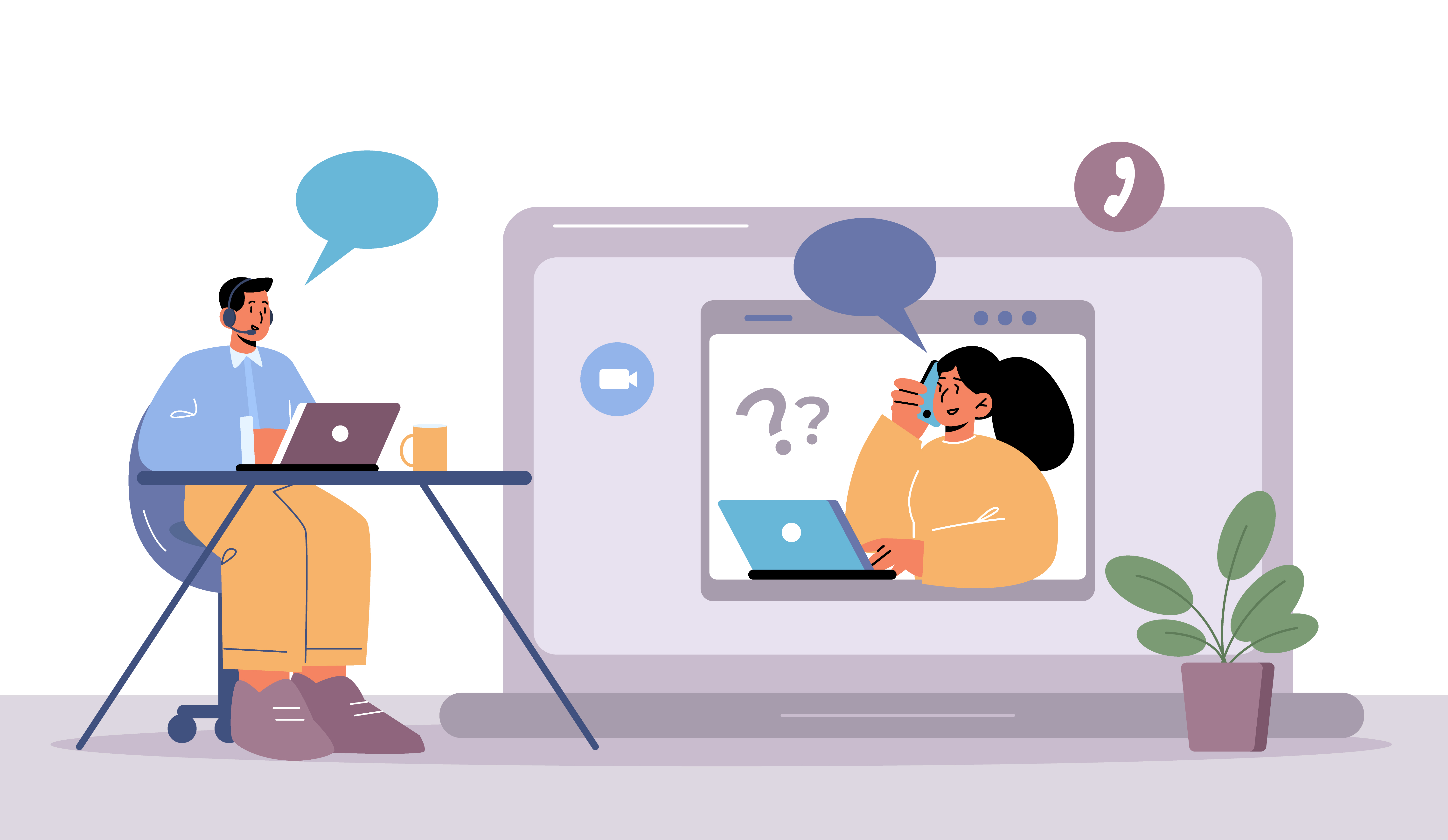
With changing lifestyles and time constraints, many couples hesitate to attend in-person sessions. This is where online therapy has become an effective and accessible option.
Online therapy allows couples to receive professional support from the comfort of their home — reducing hesitation, travel stress, and scheduling challenges.
Benefits of online therapy include:
Privacy and emotional comfort
Flexible session timings
Safe environment for vulnerable conversations
Access to qualified professionals regardless of location
For many couples, opening up feels easier in a familiar setting. Online therapy often helps partners speak more honestly, especially when emotions feel overwhelming.
Why Is Emotional Validation So Important in Marriage?
One of the deepest sources of marital pain is feeling emotionally unseen.
Validation doesn’t mean agreeing — it means acknowledging your partner’s emotional experience. When validation is missing, individuals begin to feel invisible.
A marriage counsellor helps couples practice emotional validation by:
Teaching empathy-based communication
Helping partners reflect rather than react
Encouraging curiosity instead of defensiveness
When partners feel emotionally understood, emotional walls begin to soften. This creates space for compassion instead of conflict.
What Happens During Counselling Sessions?
Many couples fear counselling because they imagine intense confrontations or forced decisions. In reality, sessions are structured, guided, and supportive.
Typically, counselling involves:
Understanding each partner’s perspective
Identifying emotional triggers
Exploring unresolved conflicts
Setting healthier communication patterns
Rebuilding emotional trust gradually
Progress doesn’t happen overnight — but even small emotional breakthroughs can significantly reduce long-held tension.
Can Counselling Help Even If the Hurt Is Old?
Yes — emotional wounds don’t expire simply because time has passed.
Old hurts often affect present behavior in subtle ways: defensiveness, emotional withdrawal, or fear of closeness. A marriage counsellor helps revisit these wounds gently — without reopening pain unnecessarily.
Healing past hurt allows couples to:
Stop repeating unhealthy cycles
Rebuild emotional safety
Strengthen trust
Create a healthier future together
When old pain is acknowledged, couples often experience unexpected relief.
How TalktoAngel Supports Couples in Emotional Healing
TalktoAngel provides professional counselling support for couples dealing with emotional distance, unresolved hurt, and communication struggles.
Through structured online therapy, experienced marriage counsellors help couples:
Express long-suppressed emotions safely
Improve emotional understanding
Strengthen connection and empathy
Navigate conflict constructively
The focus is not on blame, but on emotional clarity, healing, and growth — helping couples feel heard and supported again.
What If One Partner Is Hesitant About Counselling?
Resistance is common. One partner may fear judgment, exposure, or change.
Counselling does not force decisions. Instead, it offers understanding.
Often, once hesitant partners experience a non-threatening, respectful counselling environment, they become more open. Even a few sessions can shift perspective and reduce emotional burden.
Is Healing Possible After Long-Term Emotional Silence?
Yes — healing is possible when both partners are willing to reflect, listen, and grow.
Unspoken hurt does not mean love has disappeared. Often, it means love has been buried under fear, disappointment, and exhaustion.
With guidance from a marriage counsellor and the accessibility of online therapy, couples can rediscover emotional connection — not by erasing the past, but by understanding it.
Final Thoughts
Carrying unspoken hurt in marriage is emotionally exhausting. Silence may protect the relationship on the surface, but it quietly erodes intimacy within. When pain is acknowledged, expressed, and understood, relief follows.
Seeking help is not a sign of failure — it is a step toward emotional honesty and mutual healing. With the right guidance, couples can transform years of silence into meaningful conversation and renewed connection.